
Kathe Kruse Doll Value: How to Identify Vintage Dolls
Käthe Kruse dolls are among the best-known dolls in the world. For more than 100 years they have stood for soft cloth bodies, natural child faces and a great deal of handwork. Many families still have an old Käthe Kruse doll tucked away somewhere. Here you can find out how the dolls came about, how to recognize a genuine Käthe Kruse doll and what vintage dolls are worth today.
How much is my old Käthe Kruse doll worth?
The Käthe Kruse doll value depends heavily on model, age, condition and originality. As a rough guide (guide values, no guarantee; amounts in euros, as in our German original):
| Doll | Typical value |
|---|---|
| Newer doll from recent decades, played with | often under 100 euros |
| Doll from the 1950s and 1960s in good condition with original clothing | often in the three-digit range |
| Early dolls from Bad Kösen (before 1950), especially Doll I | sometimes four-digit amounts |
| Rare models and dolls with a documented history | individual appraisal needed |
Original clothing, shoes, well-preserved face paint, the original wig and papers raise the value. Rubbed-off faces, stains and replaced parts lower it.
How to recognize a genuine Käthe Kruse doll
- Signature and number on the sole of the foot: Many dolls carry the lettering “Käthe Kruse” and a number on the left sole.
- Cloth body: a stuffed, soft body of cotton fabric, often with typical seams at the hands and thumbs
- Head: made of cloth on early dolls, hand-painted. In the 1950s, dolls with celluloid or plastic heads were also made.
- Face: calm and natural, with finely painted eyes and delicate cheeks
- Clothing: simple, made of good fabrics, with a label on newer dolls
The history of Käthe Kruse
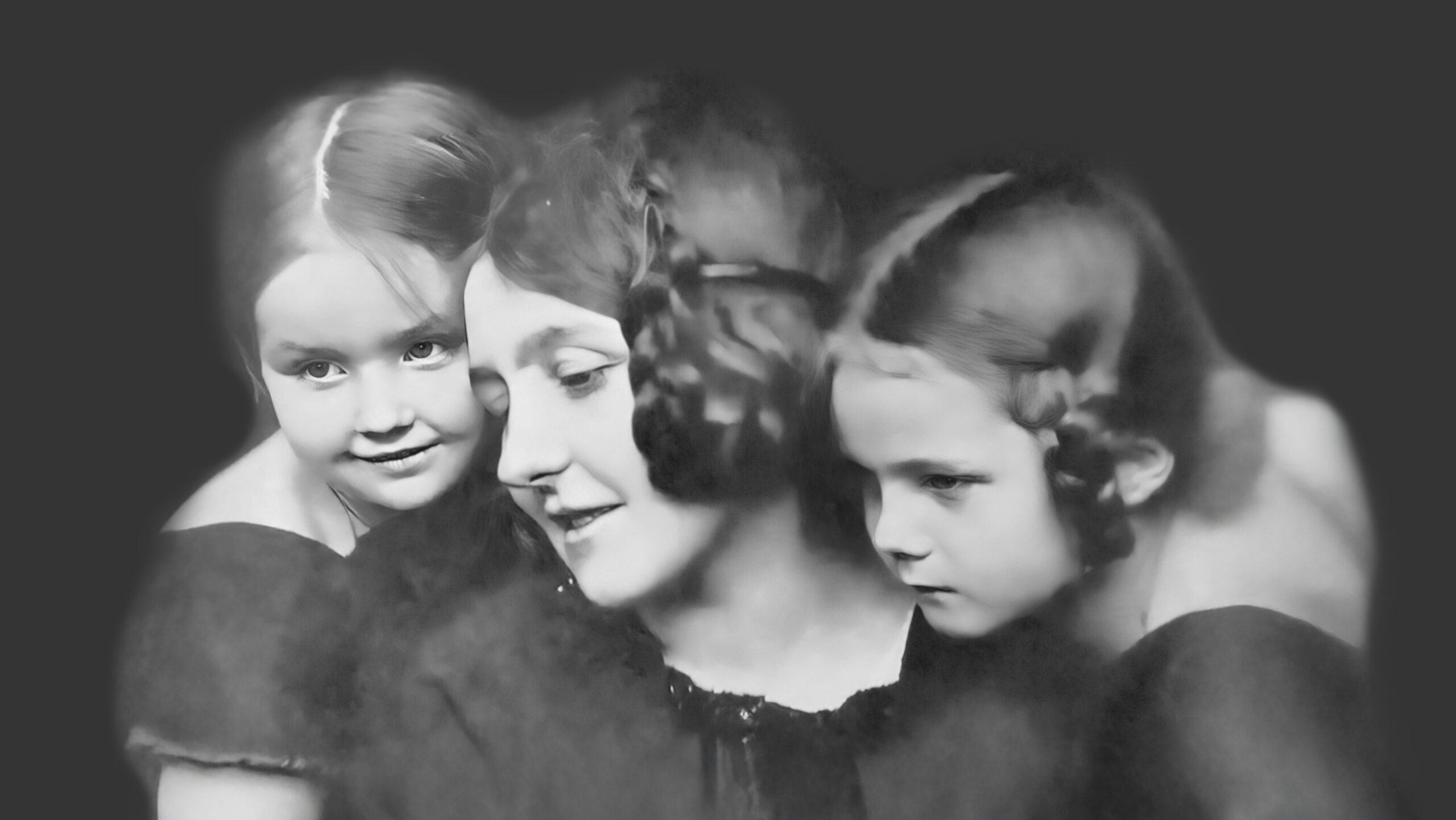
Käthe Kruse was born in Breslau on 17 September 1883 and was first an actress. She married the Berlin sculptor Max Kruse. Because she did not like the hard, stiff dolls that were common at the time, she wanted a doll for her daughter that you could hold in your arms like a real child. In 1905 a first attempt was made from a towel filled with sand and a potato as the head.
In 1910 she showed her dolls at the exhibition “Spielzeug aus eigener Hand” (toys made by hand) at the Tietz department store in Berlin and caused a great stir. In 1911 she received a gold medal at an international doll exhibition in Florence. In 1912 she set up her workshops in Bad Kösen and developed more than fifteen doll types there.
After the Second World War, Bad Kösen lay in the Soviet occupation zone. To get ahead of the threat of expropriation, Käthe Kruse moved production to Donauwörth in Bavaria in 1950. The manufactory is still based there today.
The most important models
- Doll I: the first Käthe Kruse doll, simply called “Puppe 1” (Doll 1)
- Doll II “Schlenkerchen”: a softer doll with a movable wire frame inside
- Doll VIII: also called the “52er” because of her size. Käthe Kruse called her “Friedebald” in her autobiography. She is the only model designed after the portrait of one of her own children.
- Baby and toddler dolls in many sizes, still in the range today
Käthe Kruse museums
The Käthe Kruse Doll Museum in Donauwörth shows the history of the manufactory with many historical dolls. There is also a collection on Käthe Kruse in Naumburg, near Bad Kösen. You can find more doll and teddy bear museums in our article on teddy bear and doll museums.
Selling or buying a Käthe Kruse doll
- Finding the value: photograph the sole of the foot, measure the size, document clothing and damage, and compare with dolls of the same kind that actually sold
- Selling: willhaben (Austria’s big classifieds site), eBay or, for early pieces, an auction house such as the Dorotheum in Vienna
- Buying: new dolls from retailers or directly from the manufactory, old ones at fairs and from specialist dealers
Care
Never wash old Käthe Kruse dolls. Remove dust gently with a soft brush and do not rub the painted faces. Avoid light and moisture, and clean clothing only by hand and with care.
Frequently asked questions
How much is my old Käthe Kruse doll worth?
Newer dolls that were played with often fetch under 100 euros, well-preserved dolls from the 1950s and 1960s often three-digit amounts. Early dolls from Bad Kösen, especially Doll I, sometimes fetch four-digit amounts.
How can I recognize a genuine Käthe Kruse doll?
Many dolls carry the lettering “Käthe Kruse” and a number on the left sole. Typical features are also the soft cloth body, the hand-painted face and the simple, high-quality clothing.
Where were Käthe Kruse dolls made?
From 1912 in Bad Kösen, from 1950 in Donauwörth in Bavaria, where the manufactory is still based today.
What is the Schlenkerchen?
Doll II by Käthe Kruse, a particularly soft doll with a movable wire frame inside.
Sources
- Deutsche Biographie: Käthe Kruse (German)
- City of Donauwörth: Käthe Kruse Doll Museum (German)
- Sonntagsblatt: the doll Friedebald (German)
- Museumsverein Naumburg: Käthe Kruse collection (German)
Related
Picked to match this article.
Affiliate links: As an Amazon Associate I earn from qualifying purchases. The price stays the same for you.
Read more
More on this topic on teddybear.at.
 BarbieVintage Barbie Value: How to Identify and Sell Old BarbiesHow much is your old Barbie worth? Our vintage Barbie value guide shows how to spot valuable dolls, read the markings and …
 DollsArmand Marseille Doll Value: Marks, 390 and ModelsWhat is your Armand Marseille doll worth? Learn to read the marks (390, A 7 M), tell the models apart and value …
Have your say: how helpful was this article?
Signed-in members can rate and comment.
Sign in and join the conversation