
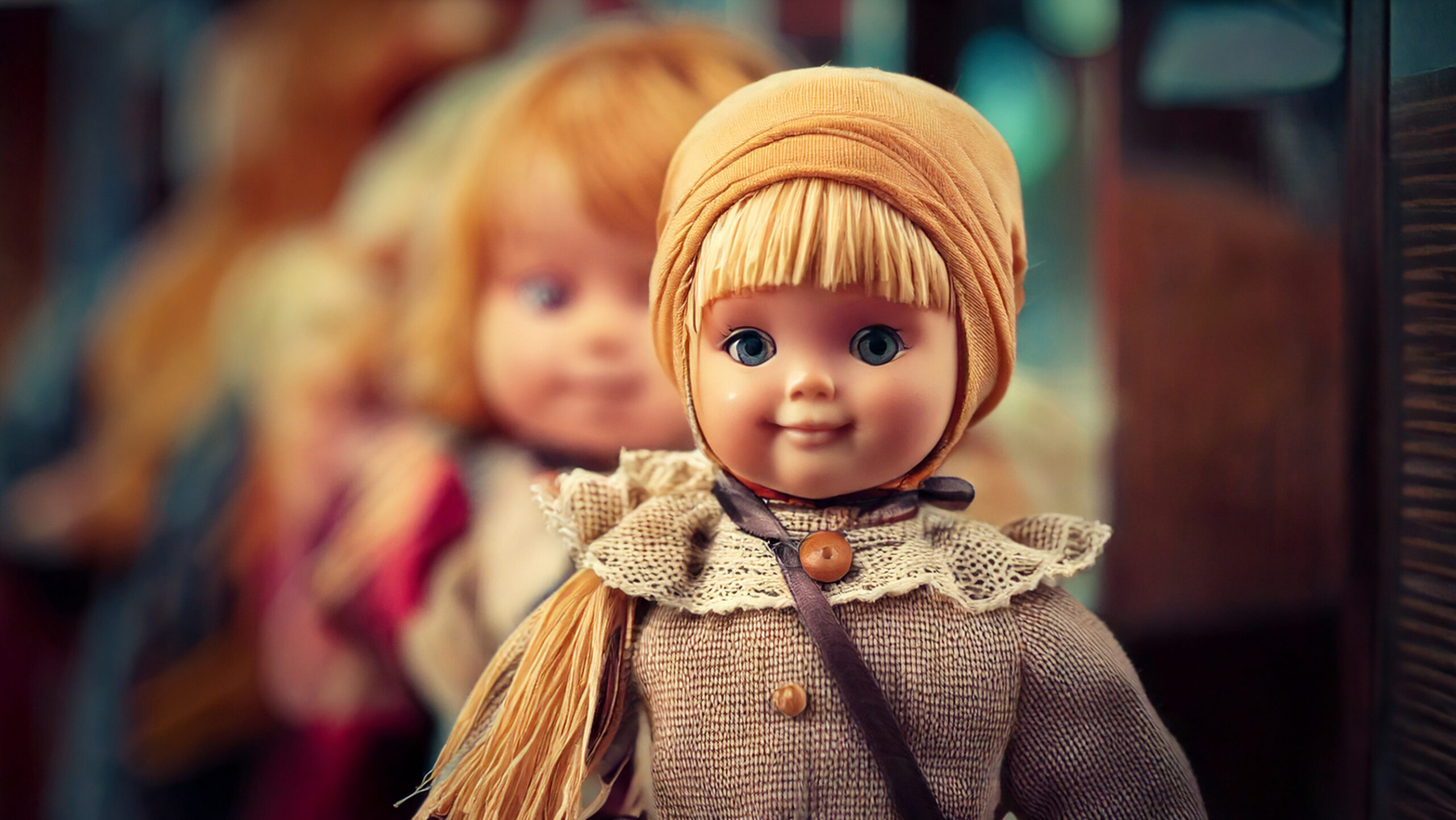
Kestner Doll Value: JDK Markings, Hilda and History
Among collectors of antique dolls, the name Kestner has a special ring. The company from Waltershausen in Thuringia, Germany, was one of the largest and most respected doll makers of its time, and its founder was called “King Kestner”. This guide covers how to recognize a Kestner doll, what the numbers on the neck mean, which models are in demand and what they are worth today.
What are Kestner dolls worth?
Kestner dolls are in demand because they are carefully made. Common models in medium sizes can often be had for a few hundred euros. Rare character dolls such as the “Hilda” and dolls in very good original condition fetch considerably more. What counts, as always, is an undamaged porcelain head and original eyes, wig and clothing. Always compare with dolls that have actually sold, with the same mold number and size.
Recognizing Kestner dolls: the markings
Many Kestner heads carry a marking on the back of the head, for example:
made in Germany · 14 · JDK · 237
- JDK: stands for J. D. Kestner
- Mold number: for example 237 for the Hilda
- Size mark: a number and often a letter, which together give the size of the head
- “ges. gesch.”: stands for “gesetzlich geschützt”, meaning legally protected
Not every Kestner doll is marked “JDK”. Some carry only a mold number and a size letter. Here, reference books and auction catalogs help with identification.
Typical features
- Head of bisque porcelain with very fine painting, often with feathered eyebrows
- Glass eyes, frequently sleeping eyes
- Wigs of mohair or real hair
- Jointed bodies of wood and composition, on some models also leather bodies
- Kestner made heads and bodies itself, which is why they fit together well on original dolls.
The history of Kestner
Johann Daniel Kestner began making dolls in Waltershausen at the start of the 19th century, around 1816 according to most sources. At first he made papier-mâché dolls with wood and leather bodies. The company grew so much that a large share of the people in the area worked for it. That is where the nickname “King Kestner” comes from.
In 1860, the company bought a porcelain factory in Ohrdruf and from then on made doll heads of bisque porcelain. Kestner exported to many countries, especially the USA, and was active until the 1930s.
Sought-after models
Hilda
The “Hilda” is Kestner’s most famous character doll, a baby or toddler with a round face, an open mouth and small teeth. It appeared around 1912 with the mold number 237, later also under other numbers. Hilda dolls are among the most sought-after German character babies.
Closed-mouth dolls
Early Kestner dolls with a closed mouth, often on leather bodies, are popular with collectors because they recall French dolls.
Character dolls
From about 1910, Kestner, like other Thuringian companies, brought out dolls with lifelike, expressive faces. You can read more in the article on Kämmer & Reinhardt, who shaped this fashion.
Waltershausen: the doll town
Waltershausen in Thuringia was one of the centers of German doll making around 1900. Besides Kestner, Kämmer & Reinhardt and Heinrich Handwerck were based here as well. The porcelain heads often came from the surrounding area, for example from Simon & Halbig in Gräfenhain.
Care and selling
Wipe porcelain heads only with a soft, barely damp cloth and do not rub the paint. Do not wash old clothing. For selling rare pieces, a specialist auction house is worthwhile. How to proceed with old porcelain dolls in general is covered in the article on Armand Marseille dolls.
Frequently asked questions
How do I recognize a Kestner doll?
By the marking on the back of the head, often with “JDK”, a mold number such as 237 and a size mark. Typical are fine painting, glass eyes and a jointed body that Kestner made itself.
What is a Kestner Hilda?
Kestner’s most famous character doll, a baby or toddler with a round face. It appeared around 1912 with the mold number 237 and is in high demand among collectors.
What are Kestner dolls worth?
Common models often a few hundred euros, rare character dolls such as the Hilda and dolls in original condition considerably more.
Why is Kestner called “King Kestner”?
Because the company grew so large in Waltershausen that a large share of the people in the area worked for it.
Sources
- Doll Reference: JDK Kestner Dolls
- Illinois State Museum: Waltershausen
- Theriault’s: Hilda model 237
- Deutsche Biographie: Johann Daniel Kestner
Related
Picked to match this article.
Affiliate links: As an Amazon Associate I earn from qualifying purchases. The price stays the same for you.
Read more
More on this topic on teddybear.at.
 BarbieVintage Barbie Value: How to Identify and Sell Old BarbiesHow much is your old Barbie worth? Our vintage Barbie value guide shows how to spot valuable dolls, read the markings and …
 DollsArmand Marseille Doll Value: Marks, 390 and ModelsWhat is your Armand Marseille doll worth? Learn to read the marks (390, A 7 M), tell the models apart and value …
Have your say: how helpful was this article?
Signed-in members can rate and comment.
Sign in and join the conversation