
Petitcollin Dolls: Celluloid, Petit Colin and Minouche
Petitcollin is one of France’s oldest doll brands. The company became famous with “Petit Colin”, a baby doll that could be bathed, and with dolls of celluloid. Today collectors also know the brand through the doll “Minouche” by Sylvia Natterer. Here you will learn how Petitcollin came about, which dolls there are and how to identify old Petitcollin dolls.
The history of Petitcollin
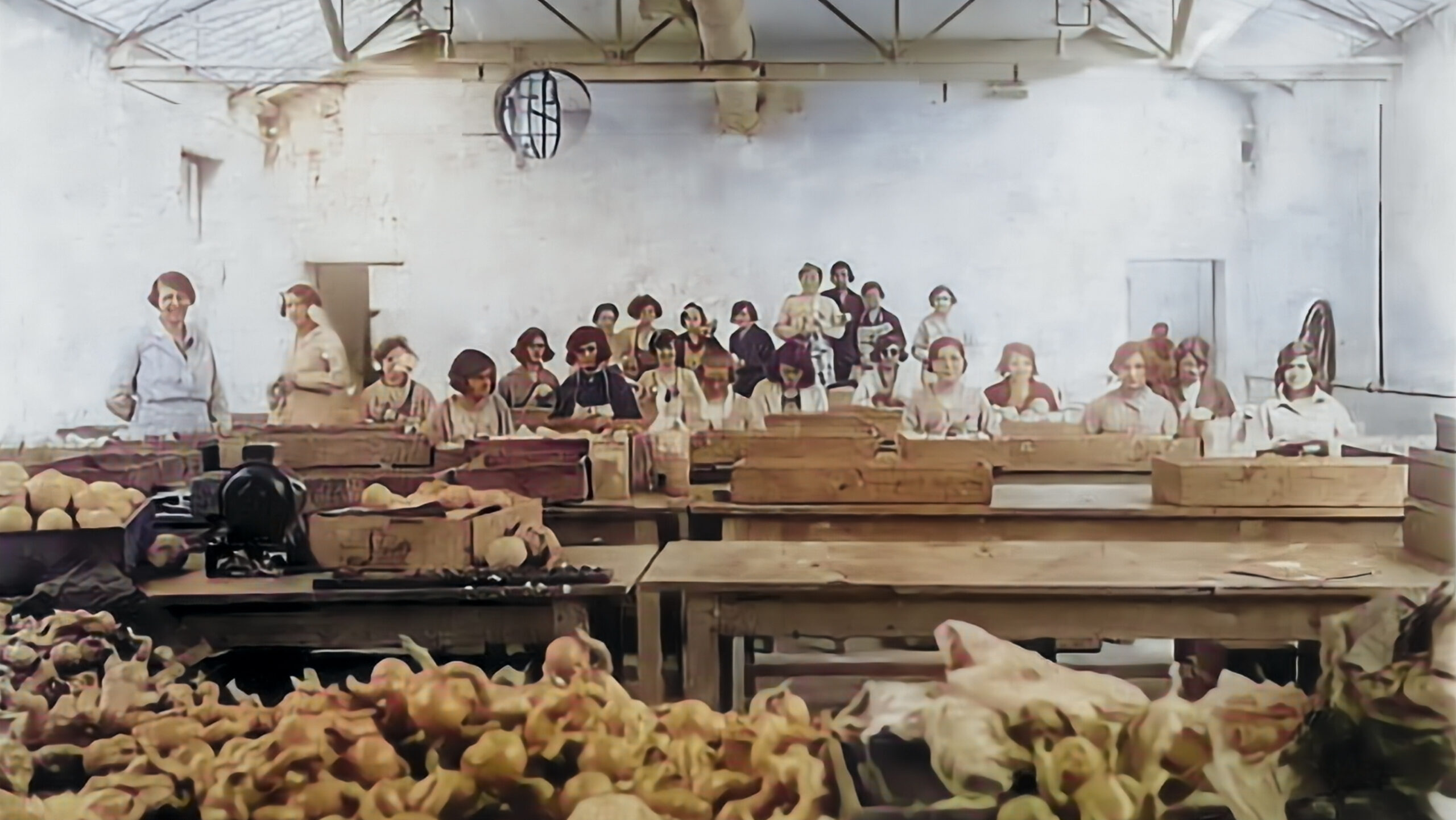
The company was founded in the middle of the 19th century, in 1860 according to most accounts, and at first made combs. Around 1900 it began making beauty articles of celluloid. In 1912 the first dolls were added. The flagship was “Petit Colin”, a bath-safe baby doll at an affordable price that changed the doll market.
Until 1958 Petitcollin made dolls of celluloid, after that of PVC. For a long time the company was regarded as the last French factory for traditional dolls, based in Étain in Lorraine. In 2023 the Étain site was closed for economic reasons. The dolls continue to be offered under the Petitcollin name.
Well-known Petitcollin dolls
- Petit Colin: the classic bath baby, in the range for more than 100 years
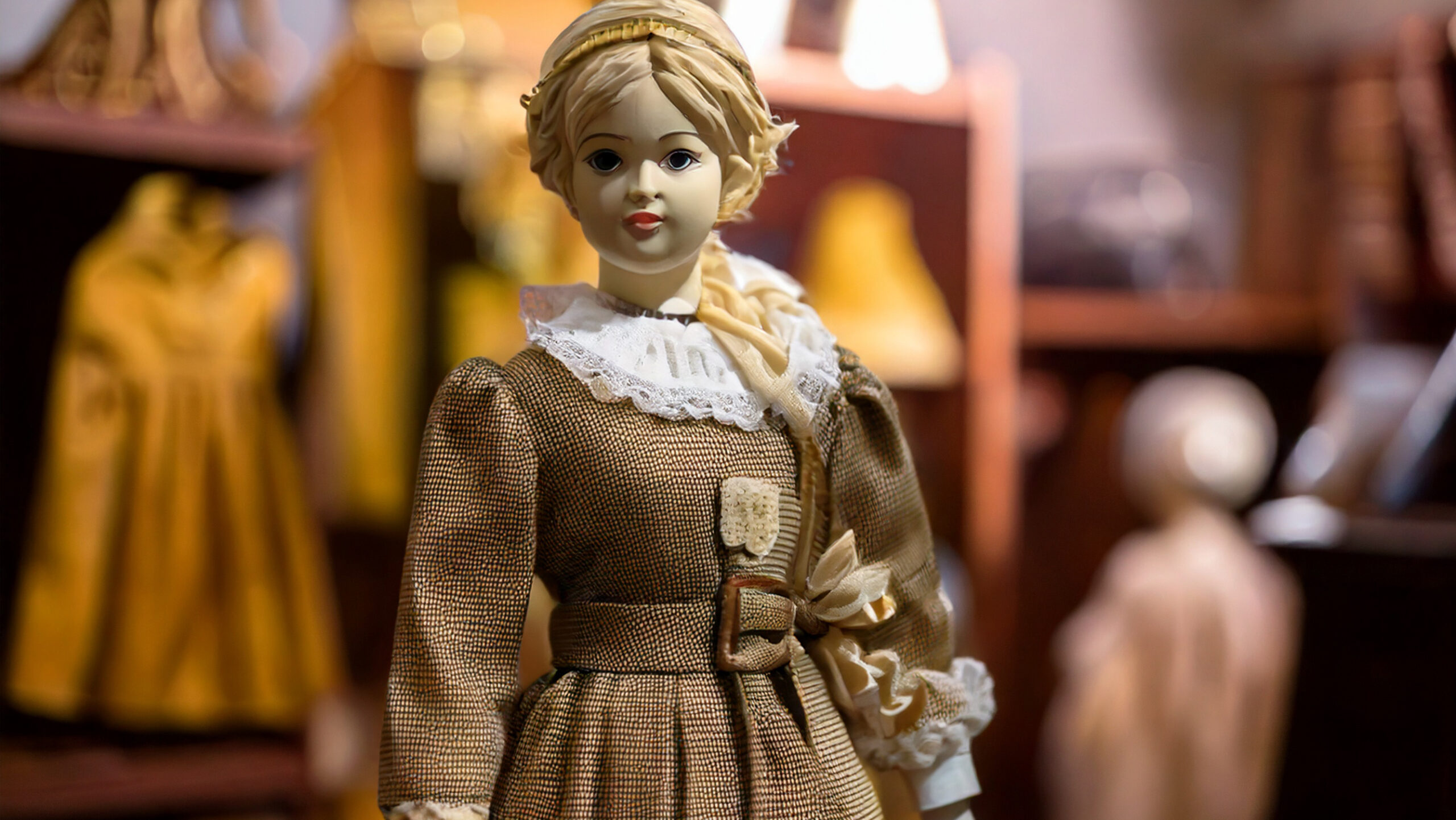
- Celluloid dolls: old dolls from the time before 1958, often with an eagle-head mark
- Minouche: dolls after designs by the doll artist Sylvia Natterer. They first came about at Käthe Kruse, and since 2015 Petitcollin has made them under license.
- Christel and costume dolls: small dolls, often in regional costumes of France
Identifying an old Petitcollin doll
- Eagle-head mark: many older Petitcollin dolls carry an impressed eagle-head sign, often together with “France” and a size number.
- Material: celluloid is light and sounds hollow, later dolls are of softer PVC.
- Painted or glass eyes, and on babies often painted hair
What are Petitcollin dolls worth?
Old celluloid dolls by Petitcollin are popular, mostly affordable collectibles. Small dolls and costume dolls are often in the two-figure range, larger dolls and rare models in good condition higher. Cracks and discoloration in the celluloid lower the value. Minouche dolls in the original box are in demand with collectors.
Care
Never clean celluloid with hot water or solvents, and keep it away from heat. PVC dolls tolerate a damp cloth with mild soap. You can read more about caring for celluloid in our article on Schildkröt dolls, and more about French dolls in our article on Corolle.
Frequently asked questions
Since when have there been Petitcollin dolls?
Since 1912. The company itself is older and earlier made combs and celluloid beauty articles.
How do I recognize an old Petitcollin doll?
Many older dolls carry an impressed eagle-head mark, often with “France” and a size number. Old dolls are of celluloid, later ones of PVC.
Who designed the Minouche dolls?
The doll artist Sylvia Natterer. Since 2015 they have been made by Petitcollin under license.
Sources
- Wikipedia: Petitcollin
- Marques de France: closure in Étain (French)
- Dolls Magazine: Minouche at Petitcollin
Related
Picked to match this article.
Affiliate links: As an Amazon Associate I earn from qualifying purchases. The price stays the same for you.
Read more
More on this topic on teddybear.at.
 BarbieVintage Barbie Value: How to Identify and Sell Old BarbiesHow much is your old Barbie worth? Our vintage Barbie value guide shows how to spot valuable dolls, read the markings and …
 DollsArmand Marseille Doll Value: Marks, 390 and ModelsWhat is your Armand Marseille doll worth? Learn to read the marks (390, A 7 M), tell the models apart and value …
Have your say: how helpful was this article?
Signed-in members can rate and comment.
Sign in and join the conversation